Biography Frans Zwartjes
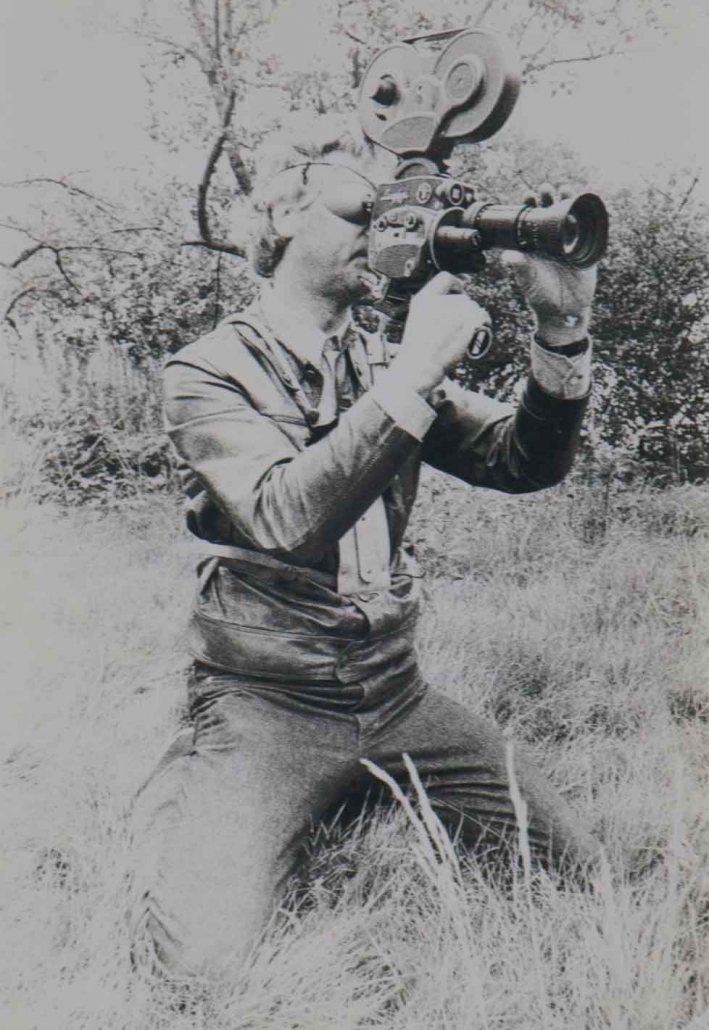
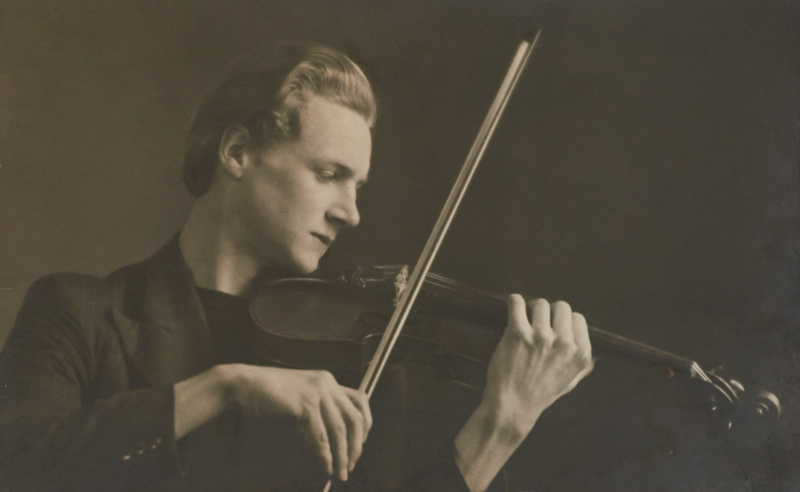
Franciscus Antonius Maria Zwartjes was born in ‘The Netherlands’, Alkmaar on May 13, 1927 and was best known as experimental filmmaker. Although he developed many exceptional talents as a musician, a graphic artist, a painter, sculptor and photographer. During the early 30’s he moved to Amsterdam and took up an interest in drawing as a young child. During the second world war he attended the “School voor Detailhandel”, a trade school, and studied at the music school where he was taught to play the viola. After the war he was accepted as the youngest musician with the Dutch Opera Orchestra. During that time, he met Lodewijk de Boer, musician, producer and play writer and was an apprentice with Geert Marree building and designing violins. He received a craftsmanship degree and took sculpture lessons at the “Kunstnijverheidsschool” (now know as the Gerrit Rietveld Academy).
At the age of 25, he decided on a career change and quit working for Marree and took a position as a nurse at the psychiatry institute “Santpoort” followed by a position as mentor in a house of correction. These personal connections and interdisciplinary experiences influenced his later work as an artist.
Zwartjes had his first son Paul Zwartjes in 1957.
Experimental Design Teacher
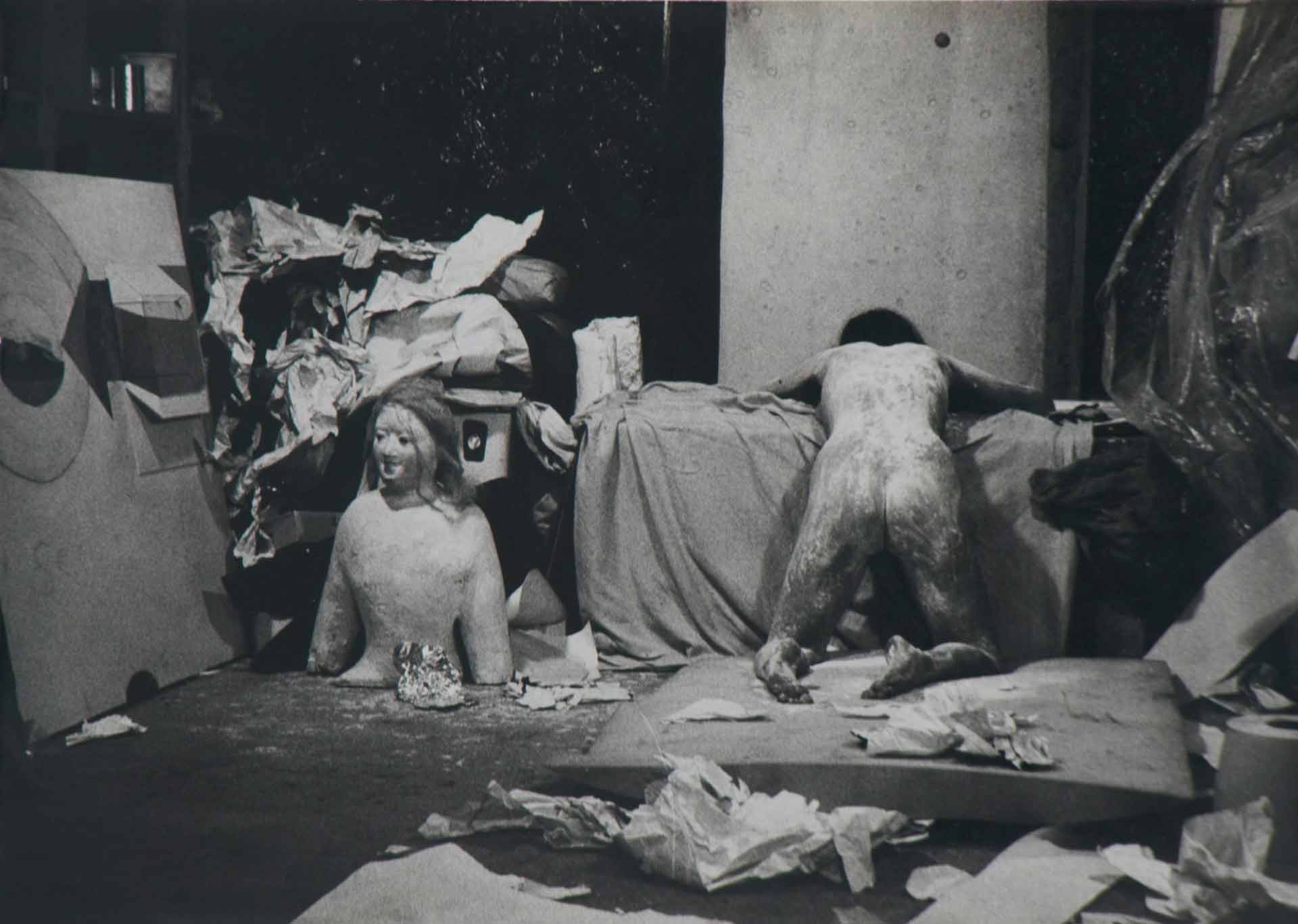
During the late 50’s, Zwartjes taught at the “Vrije School” and met artist Henk Brokke, who was a teacher at the Academy for Industrial Design (now known as the Design Academy) in Eindhoven. Through Brokke, Zwartjes began his teaching career in “Experimental Design” at the Academy for Industrial Design. He then moved from Amsterdam to Eindhoven.
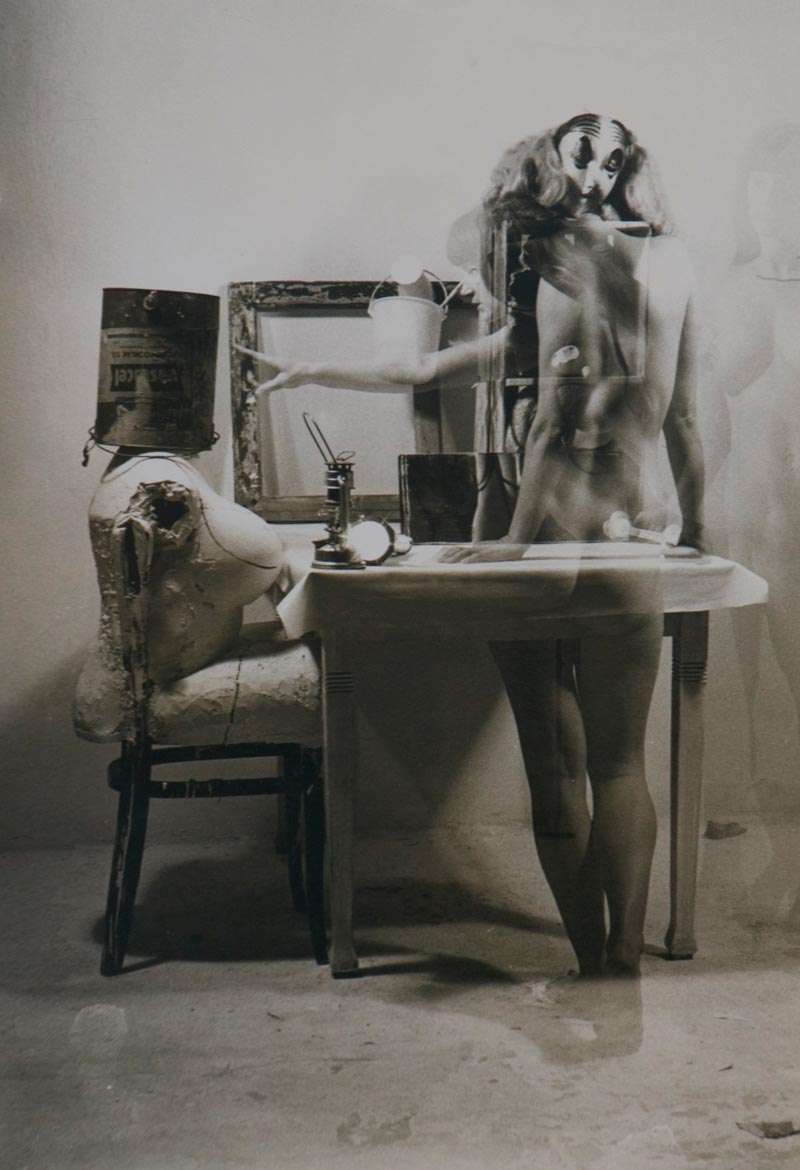
“Experimental Design” was an emerging discipline at the time and Zwartjes gave the curriculum his own meaning and interpretation. He worked with various materials like paper, carton, wood, plaster, clay, photography, film and sound. Zwartjes was then asked to start a music curriculum for the Academy. Apart from being a teacher, Zwartjes was active as an artist and created early sculptures, and art of various sizes using different materials.
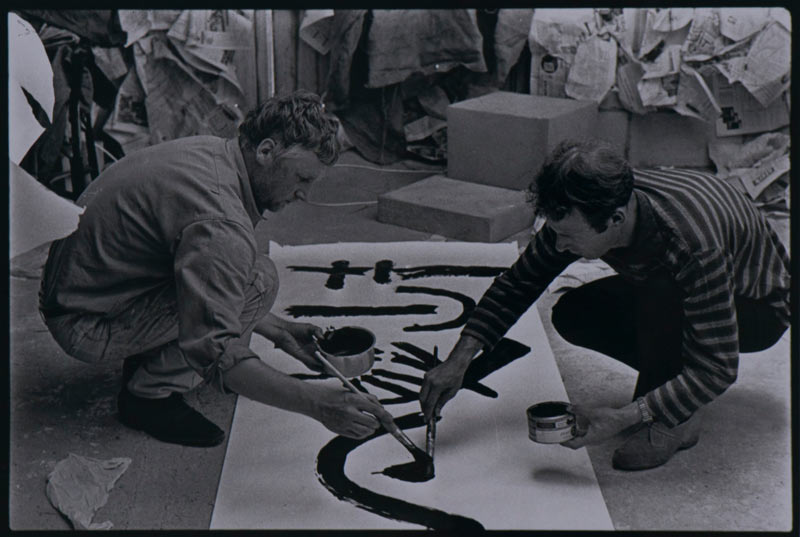
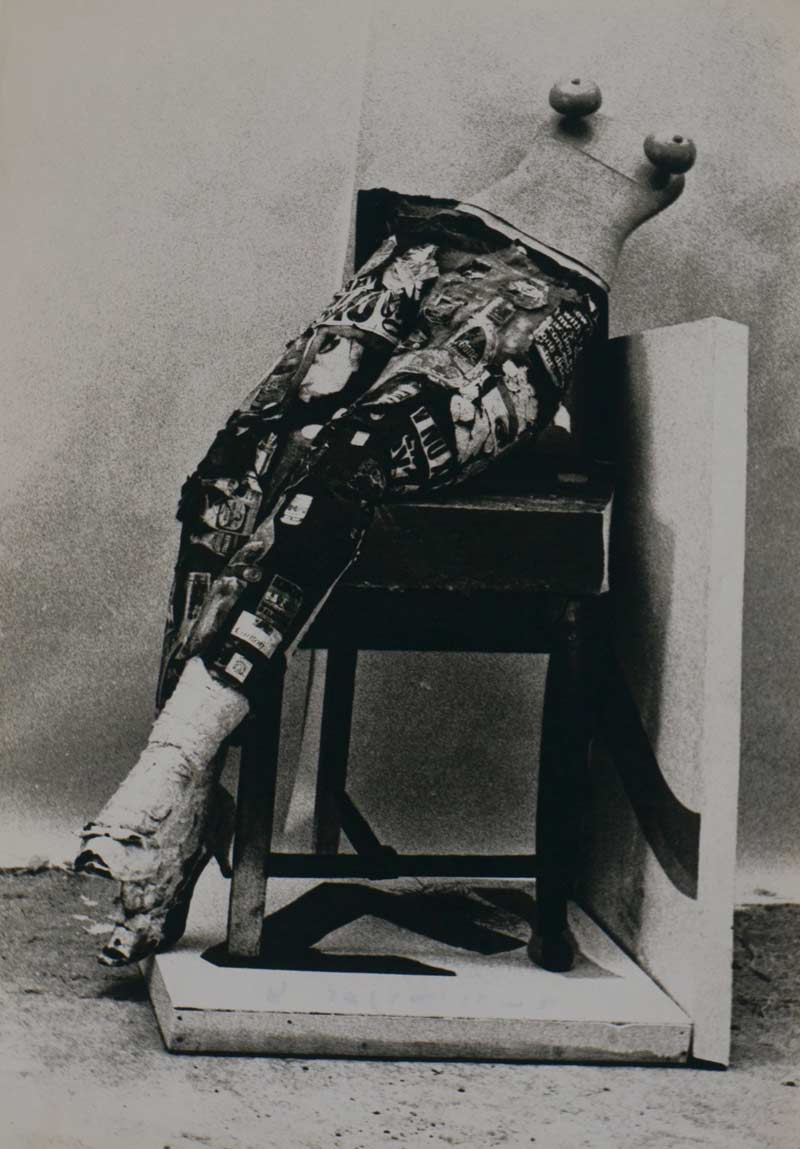
Zwartjes remarried in 1960 with Trix Zwartjes. In 1962 they had a daughter, Reyke Zwartjes, followed by a son, Jasper Zwartjes in 1965. Besides his work at the Academy in Eindhoven, Zwartjes was continually active in painting and drawing.
Experimental Movies
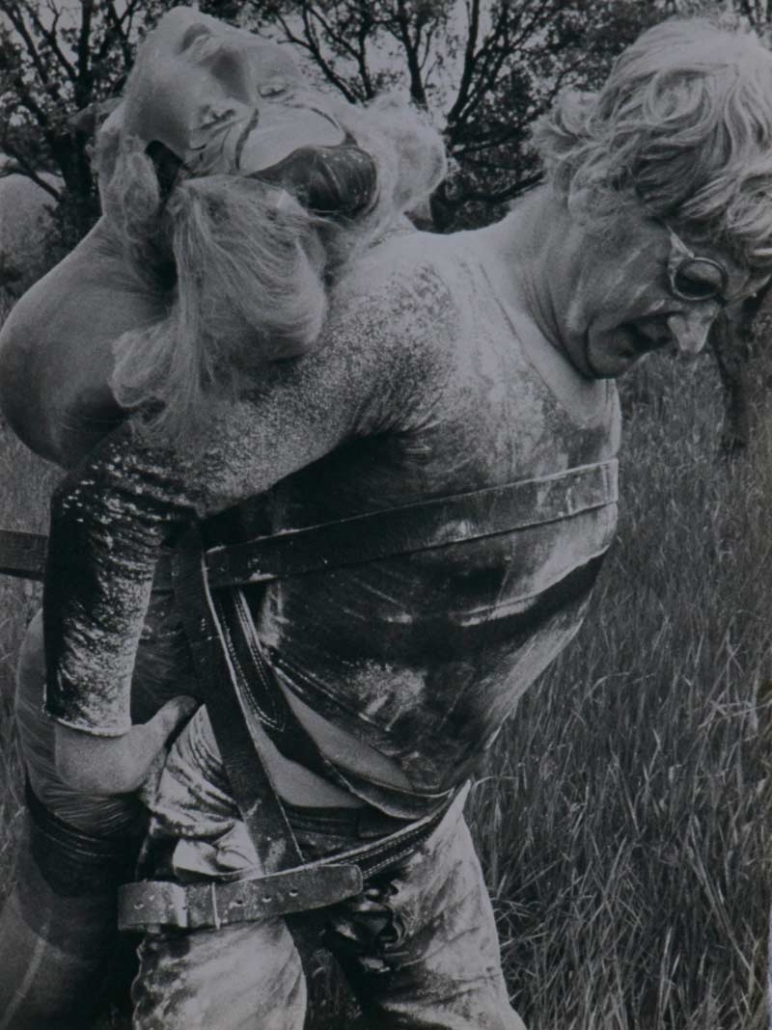
In 1962, Zwartjes began experimenting with film making and photography. He lived with his family in Westerhoven, Noord-Brabant and during these years he met Shinkichi Tajiri, a Dutch-American visual artist of Japanese descent. They became close friends and shared experiences regarding the experimental film and photography movement.
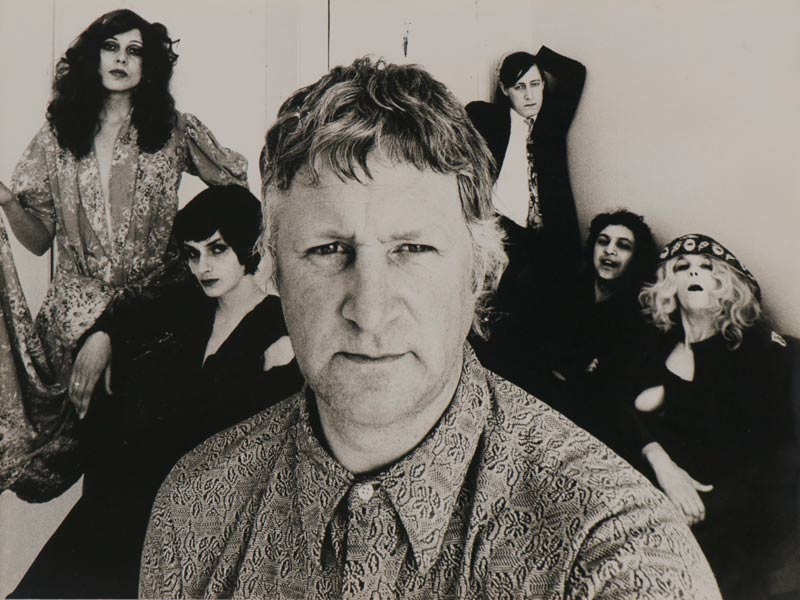
In Westerhoven he met Monique Toebosch, a Dutch actress, visual artist, and performance artist. Monique Toebosch, Lodewijk de Boer, Chris Manders and Trix Zwartjes were the most important actors in Zwartjes’ movies. To have more space and creative inspiration, Zwartjes moved to Heeze, Noord-Brabant in the countryside with his family. During this period some of his sculpture creations evolved into experimental movies, for which he eventually became well-known.
Graphic Artist and Painter
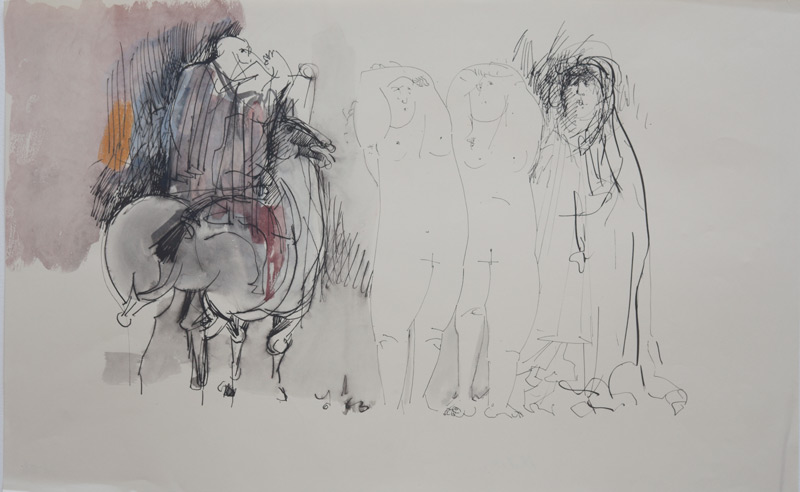
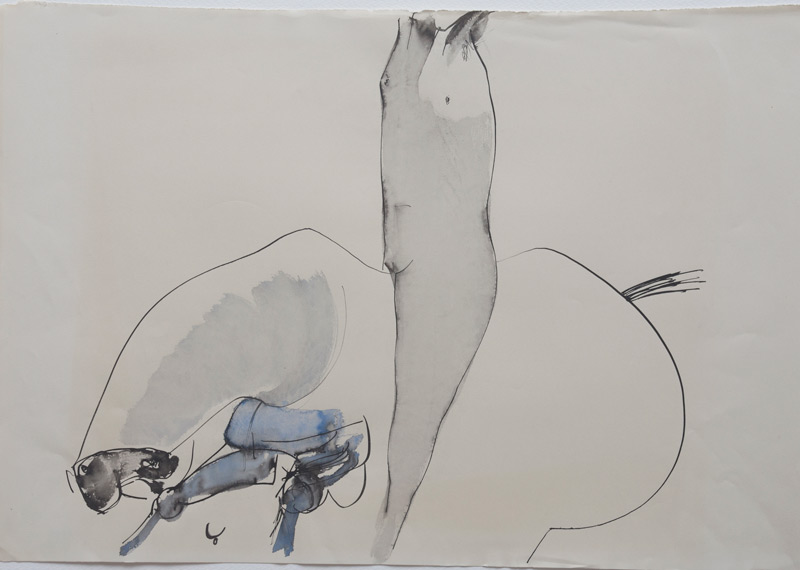
Zwartjes kept on drawing and painting. He met Lambert Tegenbosch, an art dealer, gallery owner and colleague at the Academy in Eindhoven. Tegenbosch was the first to recognize the contribution of graphic art and paintings of Zwartjes and he organized an exposition in a gallery in Delft. Zwartjes produced over 1,300 pieces of graphic art and paintings during his lifetime.
The Hague
The first films Zwartjes produced were short experiments without sound: “Sorbet” and “A Fan”. The first film with some sort of storyline was “Dolls” from 1968. This film premiered at the film festival in Den Bosch and won the first prize. In 1969, Zwartjes produced at least ten short films amongst which was “Eating, Birds, Seats Two and Spare Bedroom”. In 1970, Zwartjes moved with his family to The Hague and started teaching at the “Vrije Academie” in The Hague, “Ateliers 63” in Haarlem and the “Rietveld Academie” in Amsterdam. He was asked to start a film department at the Vrije Academie which became very well-known and drew many international students from all over the world.
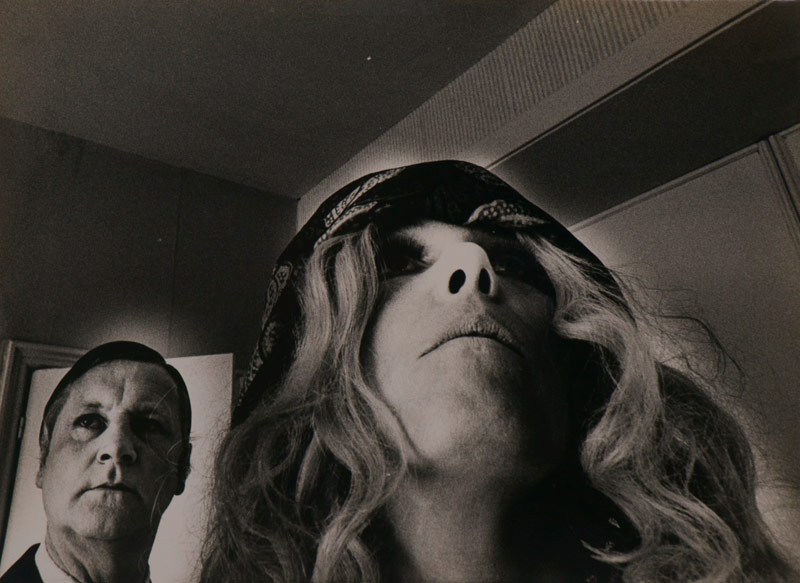
After moving to The Hague, Zwartjes at first lost his inspiration to make films, but he kept on drawing and painting. In 1971 however, Zwartjes produced his most famous and accessible film “Living” together with his wife Trix Zwartjes featuring themselves. They had a hard time getting settled in The Hague and with this film they broke through this situation together. The film described the uncomfortable situation of not feeling at home in your new surroundings. Hereafter, Zwartjes regained his inspiration to make films and received some subsidies which gave him increased possibilities to work in film.
Zwartjes produced approximately 50 films between 1962 – 2000 including documentaries and portraits of artists. Worth mentioning are the films “Pentimento”, “It’s Me” and “Medea”. “Pentimento” is a film in which Zwartjes connected his war experiences to his earlier work in psychiatry. This film was seriously criticized by the women’s movement for its treatment of women.
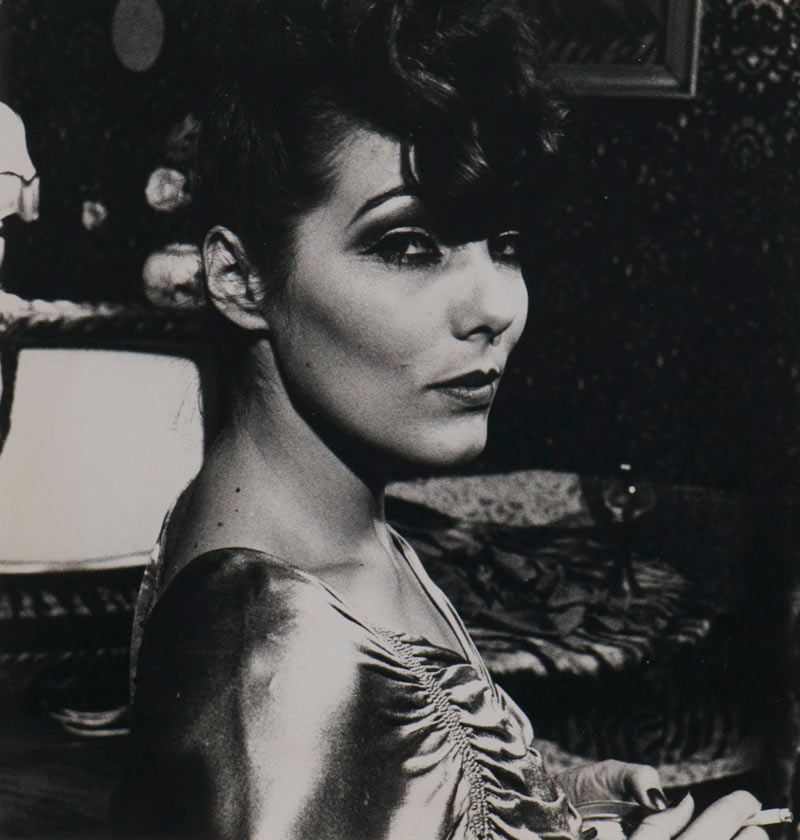
“It’s Me” is a film shot by Zwartjes with Willeke van Ammelrooy, a famous Dutch actress in his home studio in The Hague. “Medea” is Zwartjes’ adaptation of Euripides’ tragedy, originally produced for the stage by the actresses Josée Ruiter and Çanci Geraerdts. This film drew the attention of the American writer and publicist Susan Sontag who wrote a praising article in Variety magazine.
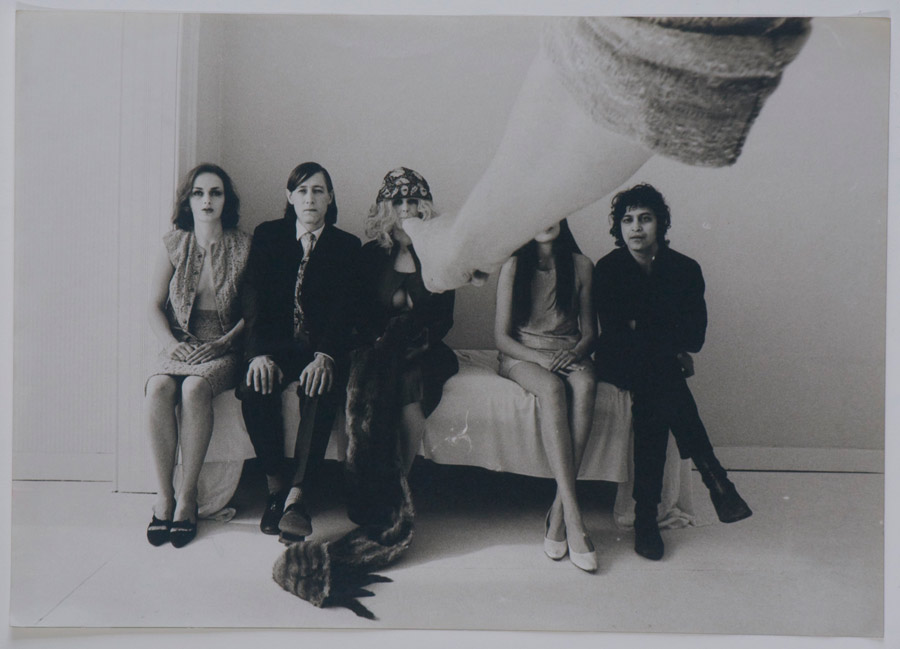
“Ouborg” award and “Canon Dutch Film”
Besides making films, Zwartjes remained a teacher for various educational courses. Zwartjes served a term as Executive Director at the Vrije Academie in The Hague and was active in various selection committees for artists and filmmakers. In 1990, Zwartjes received the “Ouborg” award from the City of The Hague for his complete artwork. In 2007, the film “Living” was included in the “Canon Dutch Film”, a collection of important, defining Dutch films which represented the diversity and creativity of Dutch film history. Zwartjes films were shown at national and international film festivals, such as the festival of Oberhausen, Germany where his films were included for many years in their program. At this time his films are still being shown at various festivals. Zwartjes won various awards and drew attention of international filmmakers.
Photographer
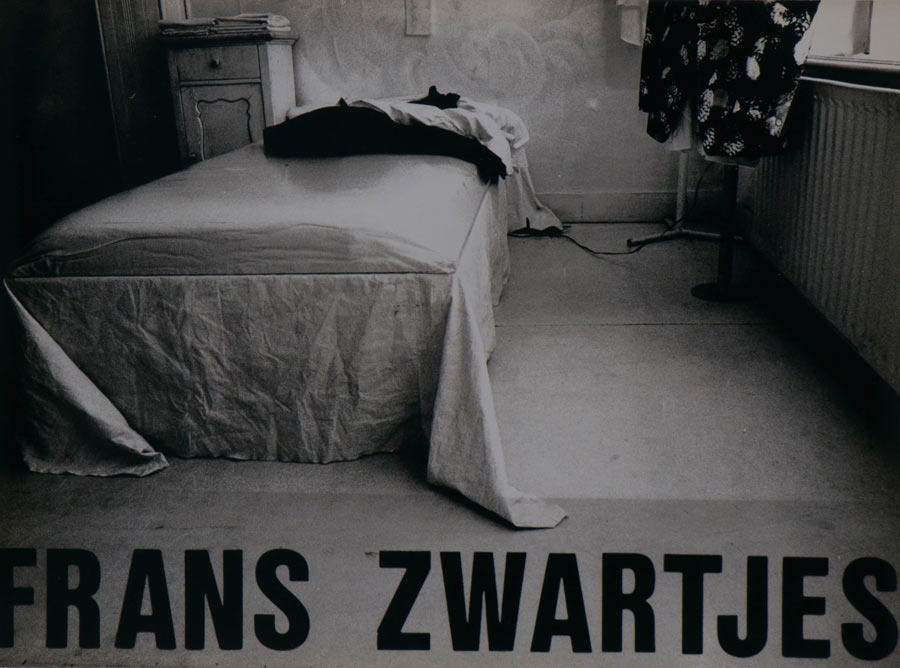
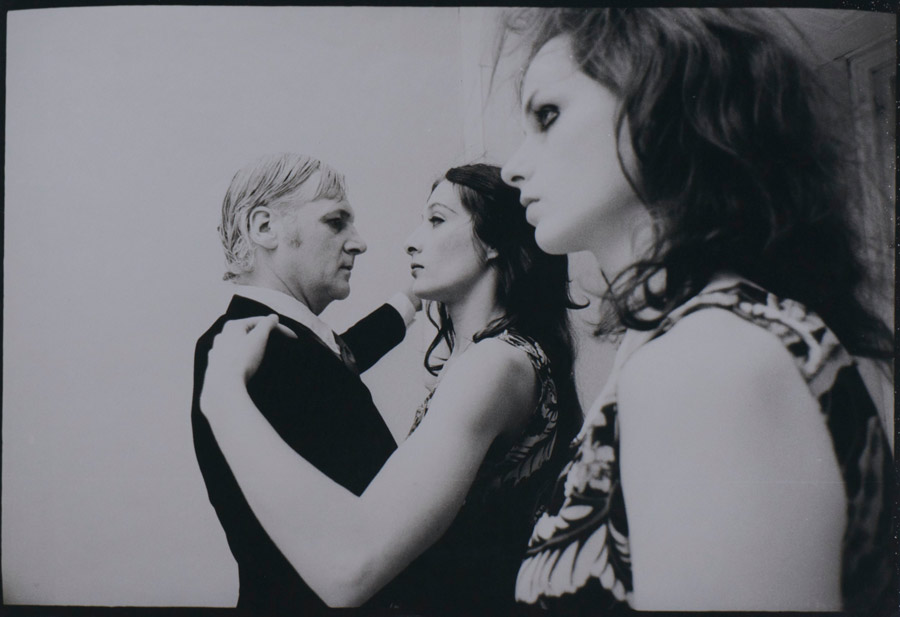
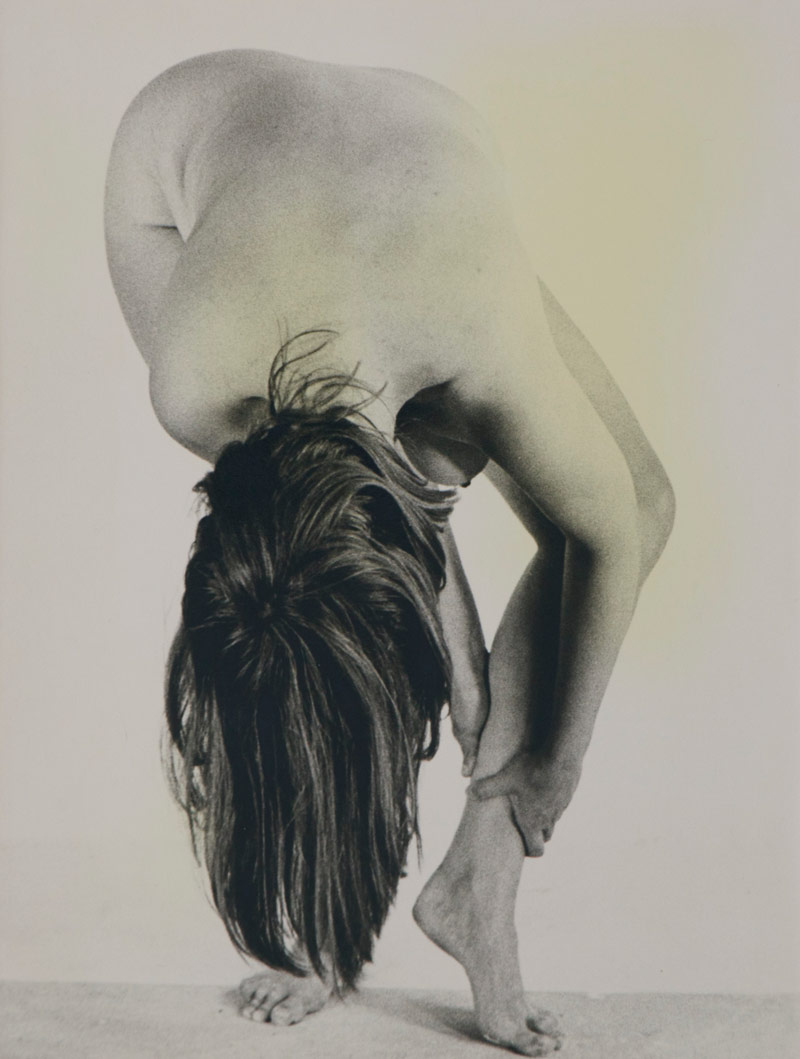
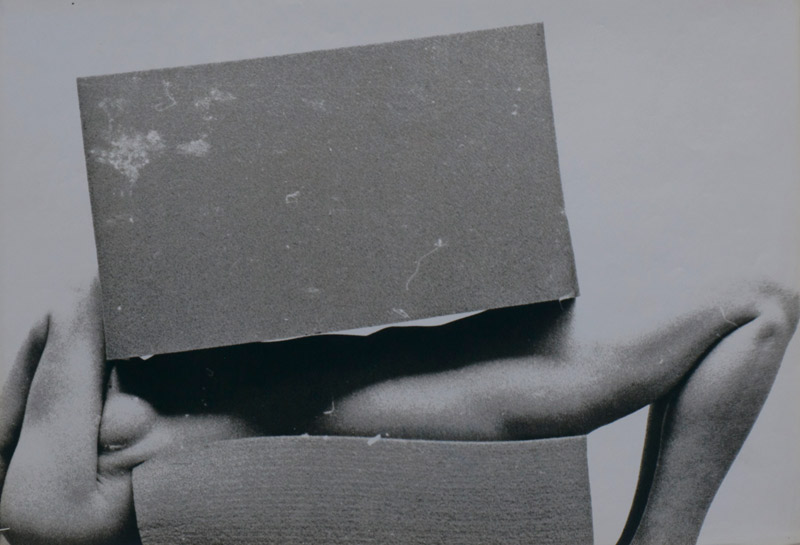
Zwartjes made a whole collection of photos during his lifetime. A selection of approximately 700 photos was purchased in 2013 by the Kunstmuseum in The Hague. Also in 2013, Willem van Zoetendaal came up with the idea and design of a photo book titled ‘The Holy Family”. He did this in cooperation with Jasper, the son of Zwartjes. “The Holy Family” was published by Van Zoetendaal Publishers from Amsterdam in cooperation with the Kunstmuseum in The Hague.
Film maker
Zwartjes is mostly recognized because of his films. He became well-known for his experimental black and white films mainly without sound which he produced, recorded, developed and assembled himself. Zwartjes was especially known for his skill to mount frames within the camera. Color and sound became part of his later films. Most of the sound elements in his films were created and composed by Zwartjes himself. After all, he was a musician by profession. Zwartjes built his own sets either at home or at an external location.
Musician
Until his death, Zwartjes drew, painted, created collages, composed and played music. In the last few years of his life, he met Stanley Schtinter, a young British musician and artist. Under the guidance of Schtinter a selection of music and sound work has been published on cassettes and several vinyl albums.
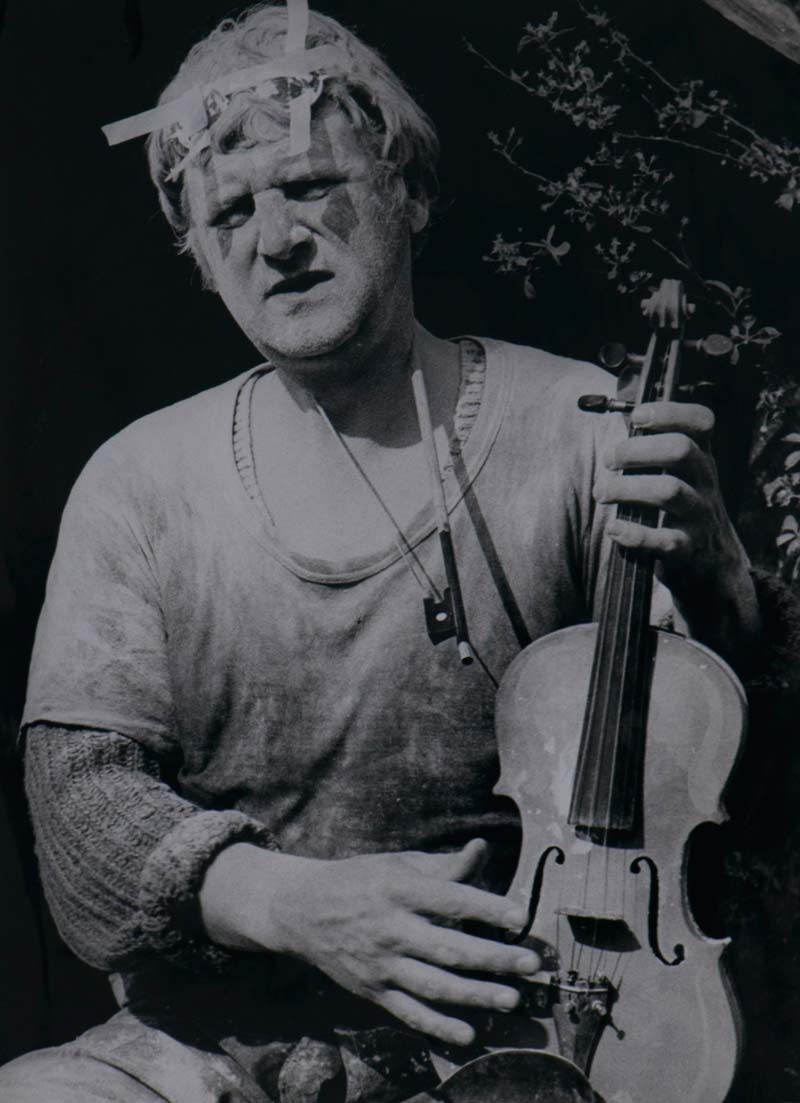
Several documentaries were made about Zwartjes one of which titled: “Frans Zwartjes – filmmaker” from René Coelho, produced by the “VPRO” television network and released in 1972.
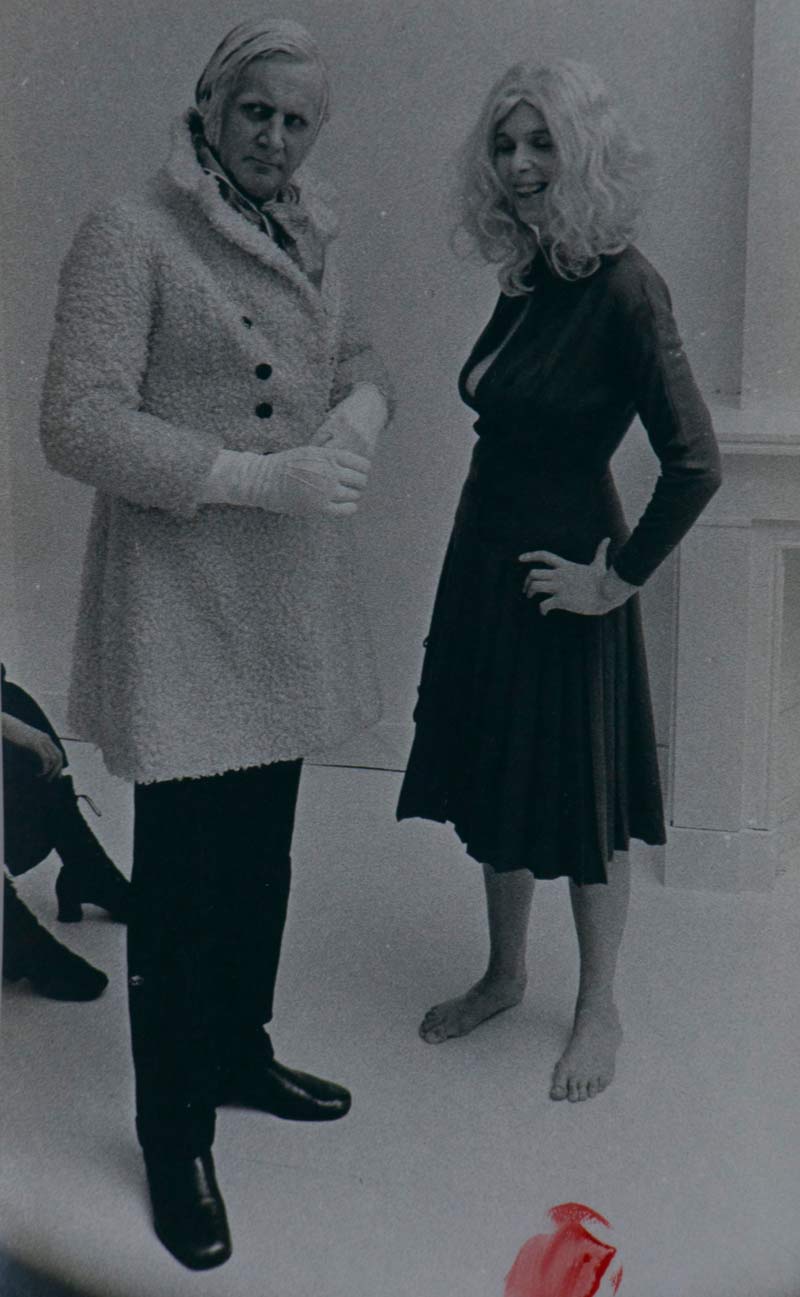
The success Zwartjes experienced in his artistic career was made possible by the incredible support of his wife Trix. Trix was known as his muse and she gave him inspiration, encouragement and support. Not only was Trix an actress in a lot of his films, she also worked actively in most of the productions by building sets, operating cameras and recording his music.
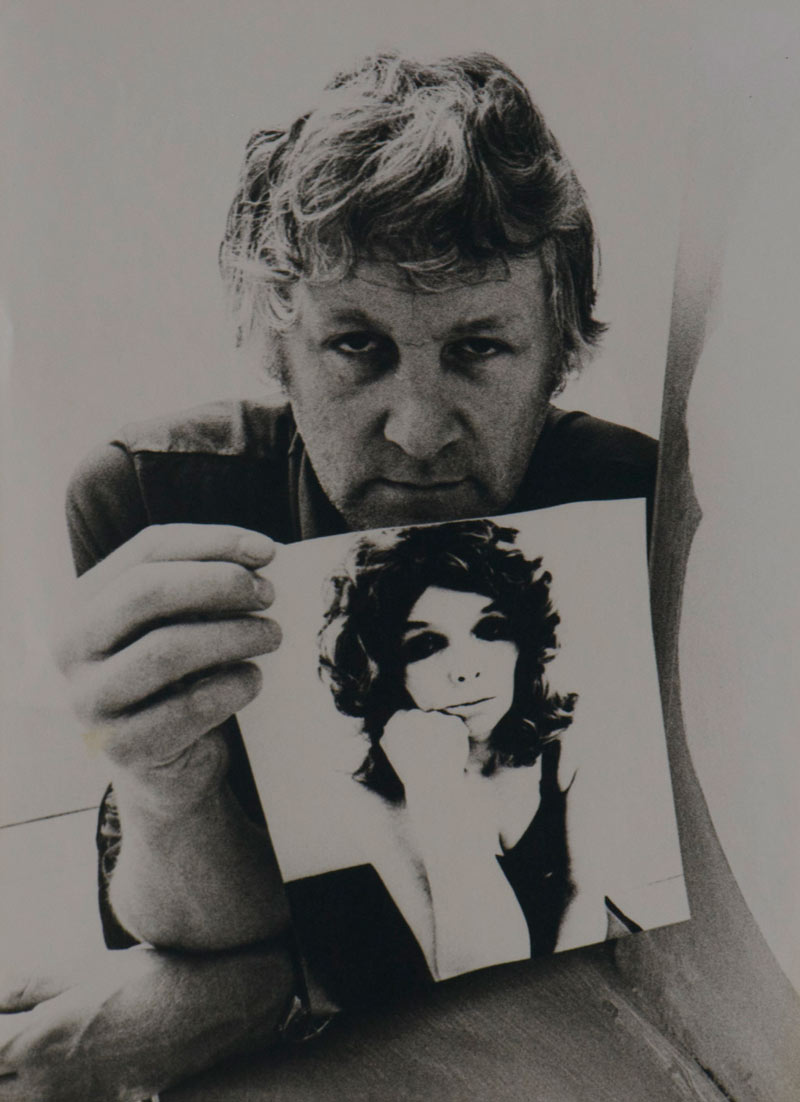
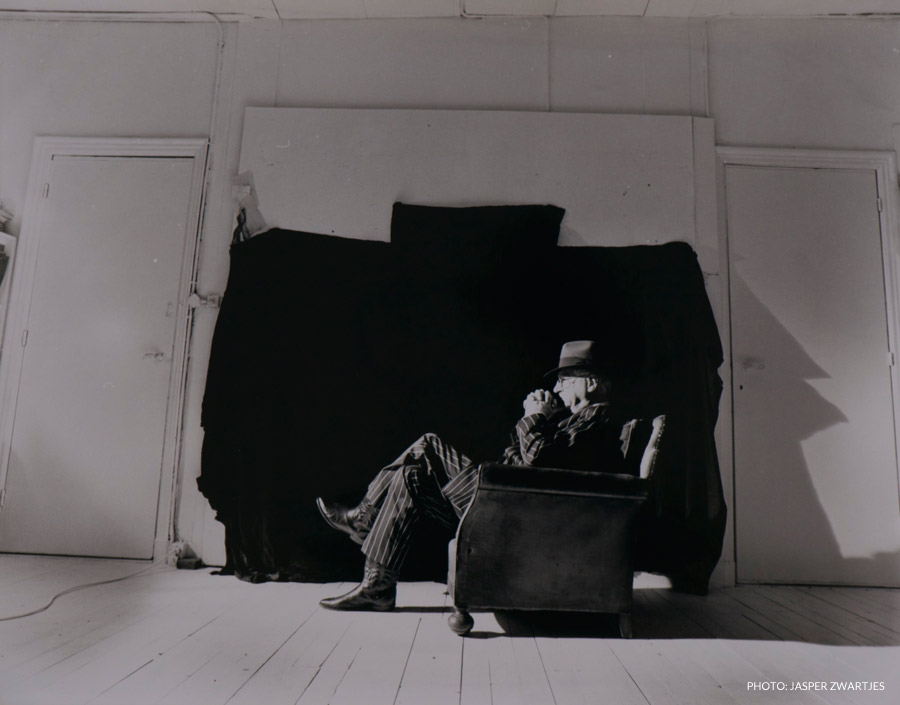
Frans Zwartjes died at the age of 90 years old at his home in The Hague.
Date: November 18, 2017.
Filmography Frans Zwartjes
A Fan (1968)
About Seven Minutes (1974)
Anamnesis (1969)
Audition ( 1973)
Bedsitters (1973)
Behind Your Walls (1970)
Beyond (1992)
Birds (1968)
Body Art (documentaire) (1975)
Breakfast (1968)
Charon, filmimpressie (1986)
Collage (1969)
Compilatie (1969)
Contact (1974)
Dolls (1968)
Eating (1969)
Film II (1967)
Filmdecor opera Blauwbaard (Bela Bartók) (1972)
Hans in Balans (1970)
Holy Family (1974)
How Did You Know I Was in Trouble (1995)
Ik hou gewoon mijn adem in (1984). Ballet van Rudi Dantzig
In Extremo (1981)
It’s Me (1976)
June (1974)
Lijkensynode Stage-play (1969)
Living (1971)
Medea (1982)
Mensen (People) (documentaire) (1974)
Moord in de Cuyperspoort (1982)
Moving Stills (1972)
Pentimento (1979)
Portret Truus Bronkhorst, danser (1991)
Preparation (1989)
Rudi van Dantzig repeteert (1984)
Seats Two (1970)
Sorbet (1968)
Sorbet II (1968)
Sorbet III
Spare Bedroom (1970)
Spectator (1970)
Sportief en toch gekleed (1980)
Taboe (1979)
They Are Five (1970)
Through the garden into the living (1970)
Toilet (1969)
Visual Training (1969)